Read the storyI didn’t know much about aviation security before. Today, I know it’s the career I want to pursue
G4S Aviation Security / Bruxelles Formation
This was the closest I have ever felt to a real crisis, yet it gave me the space to fail, learn and improve.
Participant, Crisis Management Training
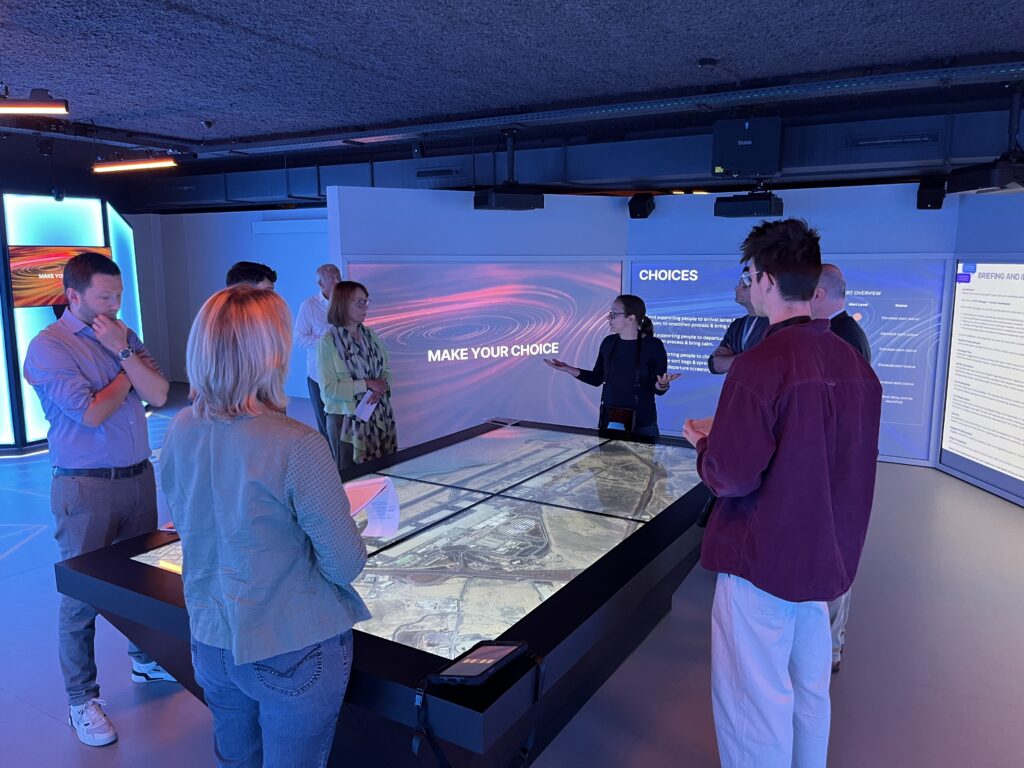
Airports need to prepare teams for crises that can escalate within seconds, while strengthening the future skills highlighted by ACI: communication, teamwork, adaptability, leadership and problem-solving under pressure.
The programme prepares aviation leaders, APOC teams, operational staff and everyone dealing with crisis or high-pressure situations to respond with confidence, without exposing operations or passengers to real risk.
AHLEX combines a step-by-step learning journey with a blended approach: classical theory, gamification, experiential learning, AI-powered simulation and expert coaches who observe behaviour and translate it into practical feedback.
Participants complete soft skills assessments, targeted leadership training, immersive crisis simulations, behaviour tracking, debriefing and coaching, and action planning for sustained professional growth.
Pilots reported stronger cross-department collaboration, improved readiness, faster decision-making, increased confidence in strategic crises and better communication and coordination across departments.
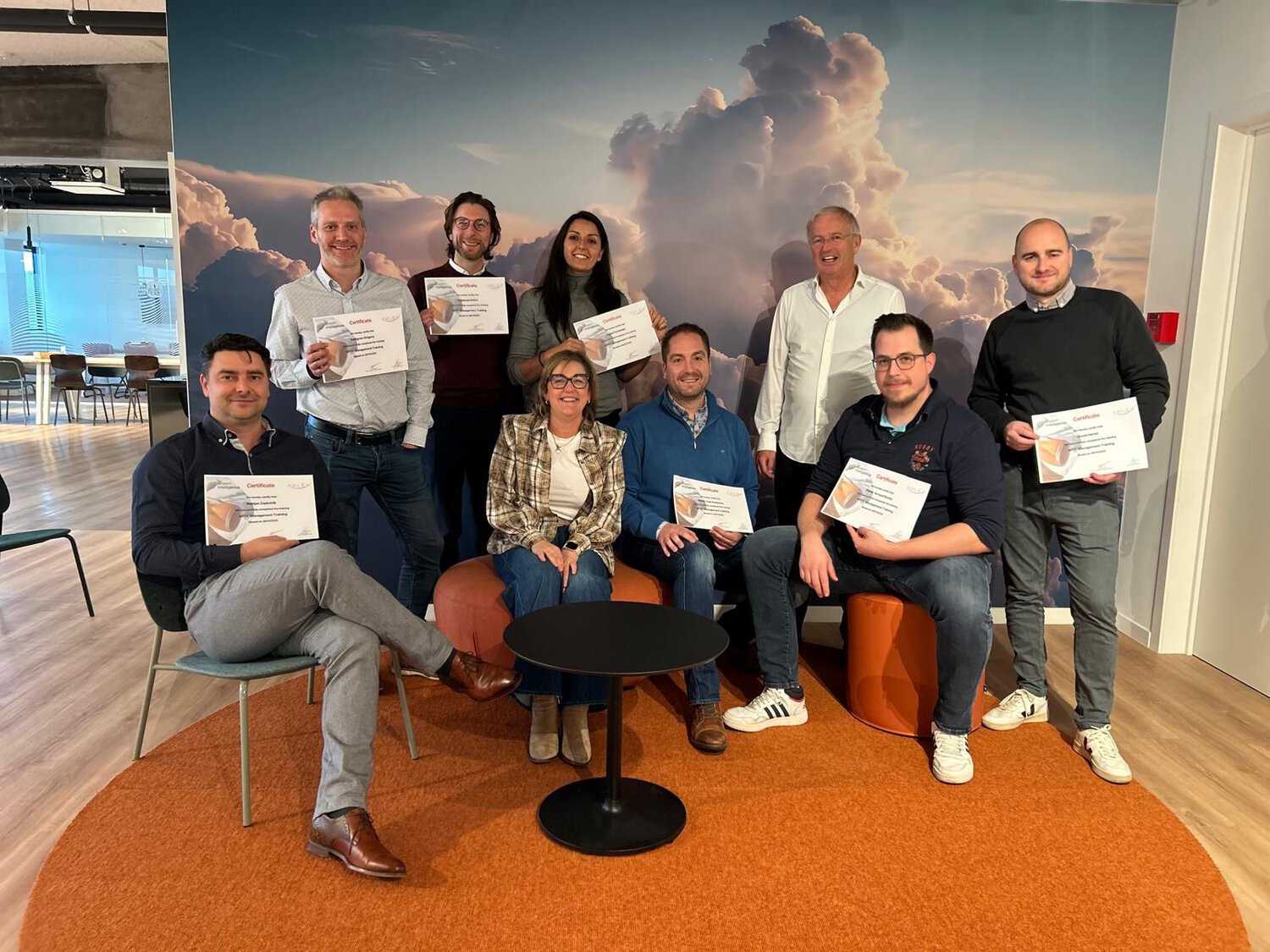
Immersive Crisis Management Training with gamification, AI-powered simulation and expert coaching.
Airports are ecosystems where seconds matter and decisions shape outcomes. A security breach, an extreme weather event, a cyber threat or a system breakdown can quickly escalate into a crisis that tests both operational readiness and human resilience.
Crisis management is therefore non-negotiable in airports. The challenge is not only to know which procedures to follow, but also to understand how people respond under pressure: how leaders communicate under stress, how teams collaborate across silos and how composure is maintained when uncertainty is high. ACI’s Workforce of the Future framework makes that shift clear: tomorrow’s aviation professionals need technical expertise as well as communication, teamwork, adaptability, leadership and problem-solving skills.
That is why AHLEX developed the Crisis Management Training Programme. It is designed for leaders, APOC teams, operational managers, frontline staff, crisis stakeholders and everyone who deals with crisis or high-pressure situations, so they can take full advantage of a safe environment that feels close to reality without putting operations or passengers at risk.
The programme follows a clear step-by-step learning path, moving participants from insight to practice and from practice to reflection. It starts with a soft skills assessment through gamification, followed by targeted leadership training focused on effective decision-making under pressure. Participants then apply what they have learned in immersive crisis simulations, where they step into operational roles, coordinate multi-stakeholder responses and navigate critical incidents such as cyber threats, weather disruptions or security breaches, culminating in a full-scale crisis immersion exercise in a simulated Airport Operations Centre.
Throughout the experience, the focus stays on the behaviours that matter most in a crisis: leadership, communication, collaboration, teamwork and composure under time pressure. Expert coaches observe participants as they make decisions, communicate with others and respond to changing events in a simulated control centre. Their observations are supported by system-generated reports, which highlight individual and team strengths in decision-making, collaboration, communication and leadership style.
The methodology is a blended approach, combining classical theory, gamification and experiential learning with AI-powered simulations, live decision-making, digital dashboards and human facilitation. This creates a realistic, high-pressure environment in which participants can practise both technical choices and interpersonal effectiveness. The learning does not stop when the simulation ends: debriefing and coaching connect observed behaviours to real-world crisis readiness, while a final 360° debriefing and action planning help participants translate their insights into sustained professional growth.
The professional impact shows in stronger crisis readiness. Airports that piloted the training reported stronger cross-department collaboration in APOC settings, improved readiness and faster decision-making during live incidents, increased confidence among stakeholders in handling strategic crises and tangible improvements in communication and coordination across departments.
Participants confirmed that impact in their own words. One participant from Prague Airport OCC shared: “I was genuinely impressed by the depth of knowledge, practical tools, and tips shared throughout the program. The simulation was intense, realistic, and incredibly valuable. What stood out most was the group dynamic, the collaboration and team spirit were exceptional.” Another participant added: “The training sharpened my communication and crisis leadership skills. As soon as the buzzer went off in the simulation, we were pulled into the real action. The feedback moments gave me concrete tips I could apply immediately in our own APOC operations.”
The human impact shows when people grow into a team under pressure. One participant said: “What I found most valuable were the insights from participants with different backgrounds, and the chance to step into different roles. Even in the ‘stressy’ simulation, you immediately put the learnings into practice, and as a random group we quickly grew into a team.” Another added: “This was the closest I’ve ever felt to a real crisis, yet it gave me the space to fail, learn, and improve.” Together, these voices show how AHLEX simulations build crisis readiness while unlocking collaboration, leadership and confidence far beyond aviation.
Read the storyI didn’t know much about aviation security before. Today, I know it’s the career I want to pursue
G4S Aviation Security / Bruxelles Formation
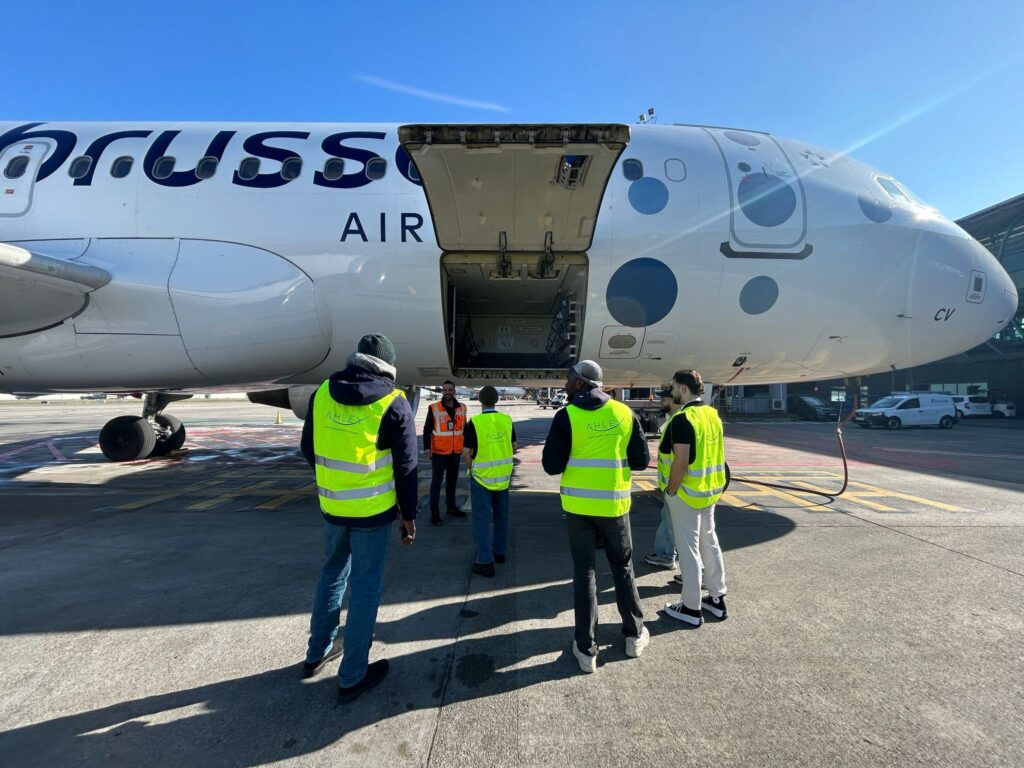
Read the storyGiven the opportunity to train. Prepared to succeed. Ready to start at Alyzia
Alyzia, VDA, Bruxelles Formation

Read the storySecurity is more than a procedure. It is a culture lived every day.
G4S Aviation Security
Are you facing a similar ramp-up, or do you need to standardise onboarding across roles and shifts? Talk to us about your challenge. We will map a path around your operation, your standards and your constraints.
Your challenge is ours, we build the right flow, not just the right course.
This is where AHLEX makes the difference. Your challenge is never one course, it is capability that must hold up in real work. So we work alongside your teams to design the right learning flow around your operation, your standards and your reality on the floor. Tailored and supported end to end.We bring the right experts and partners to the table, and combine the right content with the right mix of online, classroom and hands on practice, so your programme stays credible, current and operational, and your people perform safely and consistently across shifts.