Read the storyI didn’t know much about aviation security before. Today, I know it’s the career I want to pursue
G4S Aviation Security / Bruxelles Formation
AHLEX helped us turn new EASA requirements into a clear and confident learning path, giving airside drivers the language skills they need to communicate safely in real operational situations.
Ostend-Bruges Airport, Management

New EASA requirements made English proficiency at Level 4 mandatory for vehicle drivers on aerodrome manoeuvring areas, creating uncertainty among airside staff.
The programme had to help drivers meet the new EASA requirements while bringing calm to an uncertain situation and building confidence to communicate clearly in operational and non-standard situations.
AHLEX created a tailored Plain English approach with pre-screening, CEFR-based grammar testing, speaking tests based on real manoeuvring area situations and personalized learning paths.
Participants followed a 32-hour or 16-hour learning path depending on their starting level, with classroom theory, practical scenarios, interactive exercises and role plays.
Two 32-hour groups and three 16-hour groups completed the training, helping airside drivers meet certification requirements while gaining stronger skills, confidence and security in their roles.

From regulatory pressure to confidence on the manoeuvring area
Across airports, a regulatory change quickly became a people challenge. New EASA legislation requires vehicle drivers on aerodrome manoeuvring areas to prove English language proficiency at Level 4. Under Commission Regulation (EU) No 139/2014, every driver who operates in these areas needs to be certified.
For airside drivers at Ostend Airport, this created understandable uncertainty. What would the new requirement mean for their job and daily responsibilities? And how could they be sure they would meet the new requirements? Oostend Airport needed a solution that would prepare staff for certification while also giving them confidence to use English effectively at work.
AHLEX delivered a tailored Plain English training approach for airside operations. The goal was not only to cover ICAO phraseology or tick a compliance box. It was to help drivers communicate clearly in operational and non-standard situations, from routine instructions to unexpected events where clarity can make all the difference.
The programme started with pre-screening, so every participant could be placed on the right path. An online grammar test based on CEFR assessed general English proficiency. A one-to-one online speaking test with an AHLEX trainer then focused on real manoeuvring area situations.
Based on those results, participants followed a personalized learning path. Drivers starting from a more basic level joined a 32-hour programme covering vocabulary, grammar and everyday scenarios, building up to advanced operational communication. Those closer to the required level followed a 16-hour path focused on specialized vocabulary, advanced grammar and complex scenario practice. Participants who already met the requirements did not need training.
Each learning path combined classroom theory with practical and interactive training. Participants strengthened vocabulary and grammar foundations, then applied them in realistic operational scenarios such as runway incursions and medical emergencies. Role plays and interactive exercises helped them practise clear communication in situations that reflect their daily work.
This tailored approach made the learning relevant, manageable and confidence-building. It did not treat certification as a one-size-fits-all requirement. Instead, each participant received the level of support they needed to grow from where they were, with motivated trainers keeping the process clear, practical and encouraging.
The results show both compliance and confidence. Two groups completed the 32-hour programme and successfully achieved certification. Three groups also completed the 16-hour track, bringing them closer to the required level through focused, scenario-based practice.
For Ostend Airport, the programme turned a regulatory obligation into an opportunity for retention and workforce engagement. At the start, many drivers feared the new rule might put their jobs at risk. Through the programme and the support of highly motivated trainers, they gained not only the knowledge to pass certification, but also the confidence to communicate in English while carrying out their responsibilities. Today, Ostend Airport staff are not only compliant with EASA legislation. They are more empowered, more skilled and more secure in their roles.
Read the storyI didn’t know much about aviation security before. Today, I know it’s the career I want to pursue
G4S Aviation Security / Bruxelles Formation
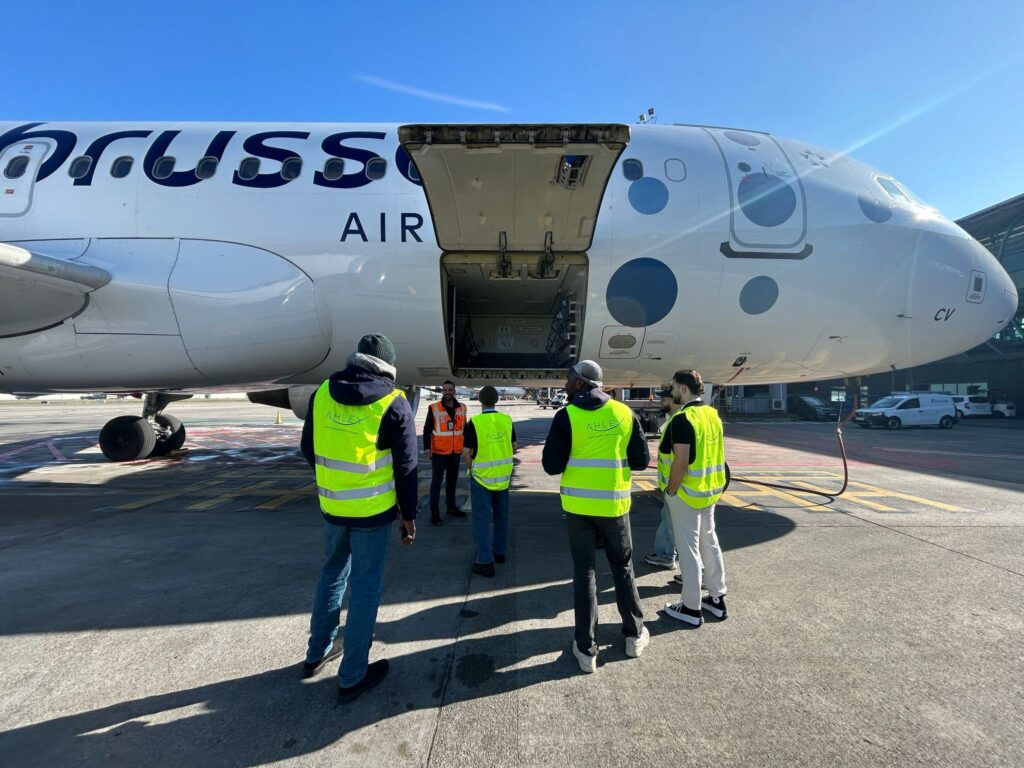
Read the storyGiven the opportunity to train. Prepared to succeed. Ready to start at Alyzia
Alyzia, VDA, Bruxelles Formation

Read the storySecurity is more than a procedure. It is a culture lived every day.
G4S Aviation Security
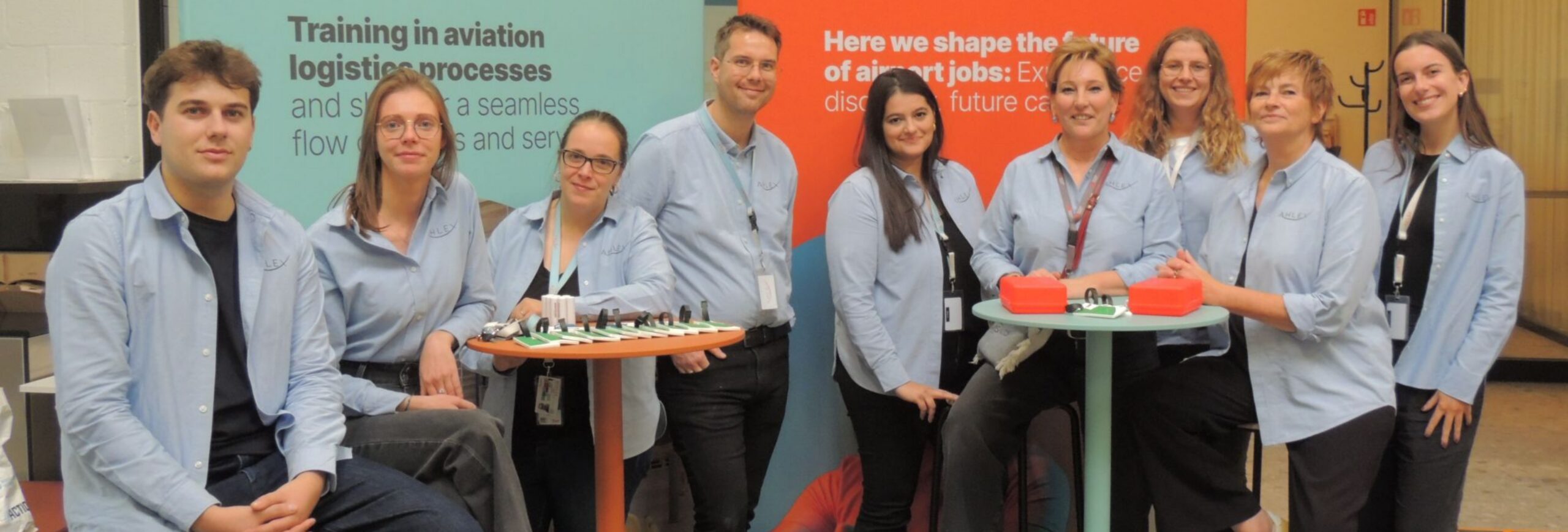
Are you facing a similar ramp-up, or do you need to standardise onboarding across roles and shifts? Talk to us about your challenge. We will map a path around your operation, your standards and your constraints.
Your challenge is ours, we build the right flow, not just the right course.
This is where AHLEX makes the difference. Your challenge is never one course, it is capability that must hold up in real work. So we work alongside your teams to design the right learning flow around your operation, your standards and your reality on the floor. Tailored and supported end to end.We bring the right experts and partners to the table, and combine the right content with the right mix of online, classroom and hands on practice, so your programme stays credible, current and operational, and your people perform safely and consistently across shifts.