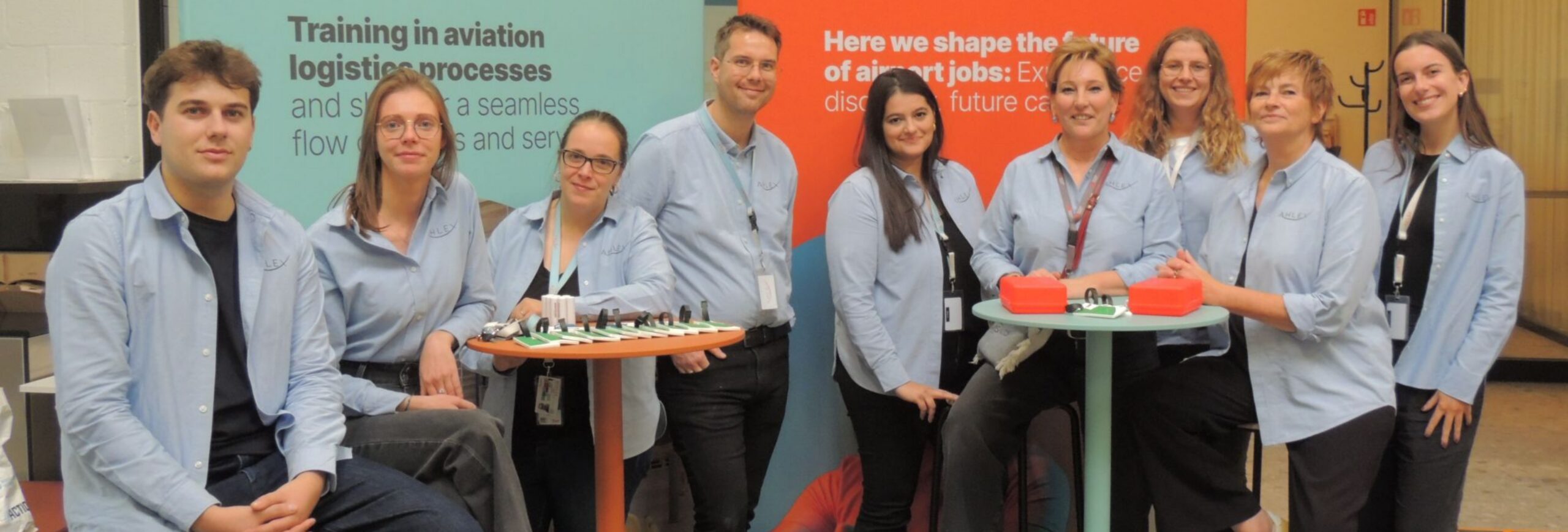
Randstad Liège and Liège Airport set a two-part goal. First, attract and prepare job seekers with little or no prior airport experience. Then, equip them with the technical skills, safety awareness and operational know-how needed for immediate integration into cargo handling teams. From 1 April to 19 November 2021, AHLEX delivered a tailored recruitment and onboarding programme designed to turn that goal into day-one readiness. The programme ran for 101 hours and reached scale without losing structure: 46 groups of eight participants completed the same repeatable path, 368 people in total.
The programme combined classroom learning, hands-on practice and digital reinforcement through blended learning. Classroom sessions created a shared foundation: how airport operations and cargo flow work, and the sector language people need to follow instructions and communicate clearly, in both Dutch and English. From there, the focus moved to what protects every operation: safety and security awareness, and the human factor risks that show up when pressure is high.
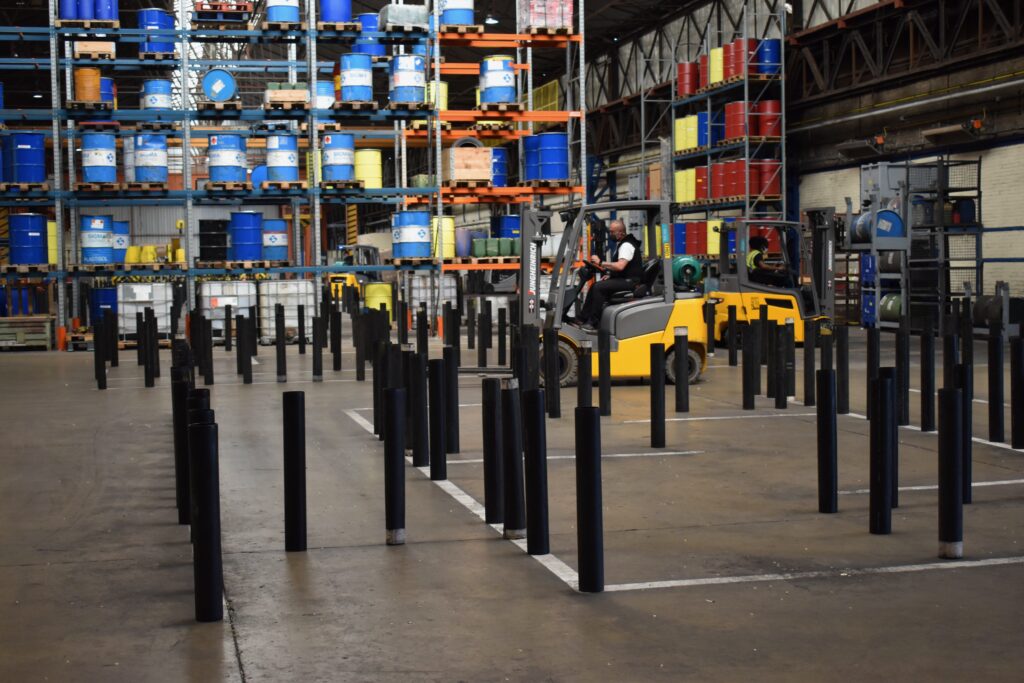
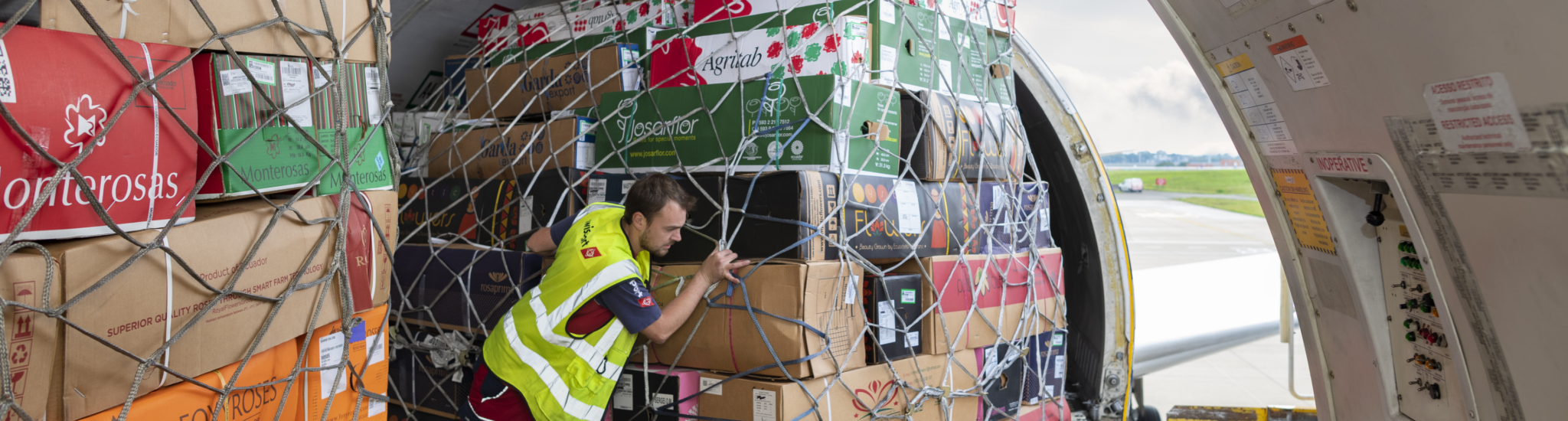
As the basics clicked, the learning shifted into the practical building blocks of cargo readiness. Participants trained ULD handling, inspection and storage, and learned the discipline behind airworthiness checks, certification processes, weight limits and load planning. They also covered specialised cargo requirements, from pharmaceutical storage and distribution to the essentials of dangerous goods regulations for labeling, packaging and storage. Equipment skills were part of the readiness journey too, including basic forklift driving techniques, combining safe dynamic operation with productivity. This blend was deliberate. It allowed participants to understand the work, practise it, and reinforce it, so they could apply and adapt what they learned to real cargo operations from day one.
The outcomes show what changed: the programme achieved 100% completion for training and support, and 90% of participants were employed directly at Liège Airport upon graduation. For cargo handling companies, that meant skilled team members with minimal onboarding time. For the operation, it meant a faster bridge from recruitment to readiness, strengthening the airport’s cargo capacity when it mattered. And for the participants, the result was personal. Many came from unrelated sectors. Yet within weeks they could navigate the airport environment with confidence, operate equipment, and understand the logic of global cargo logistics. They did not arrive as observers. They arrived ready to contribute to the cargo community.