Summary
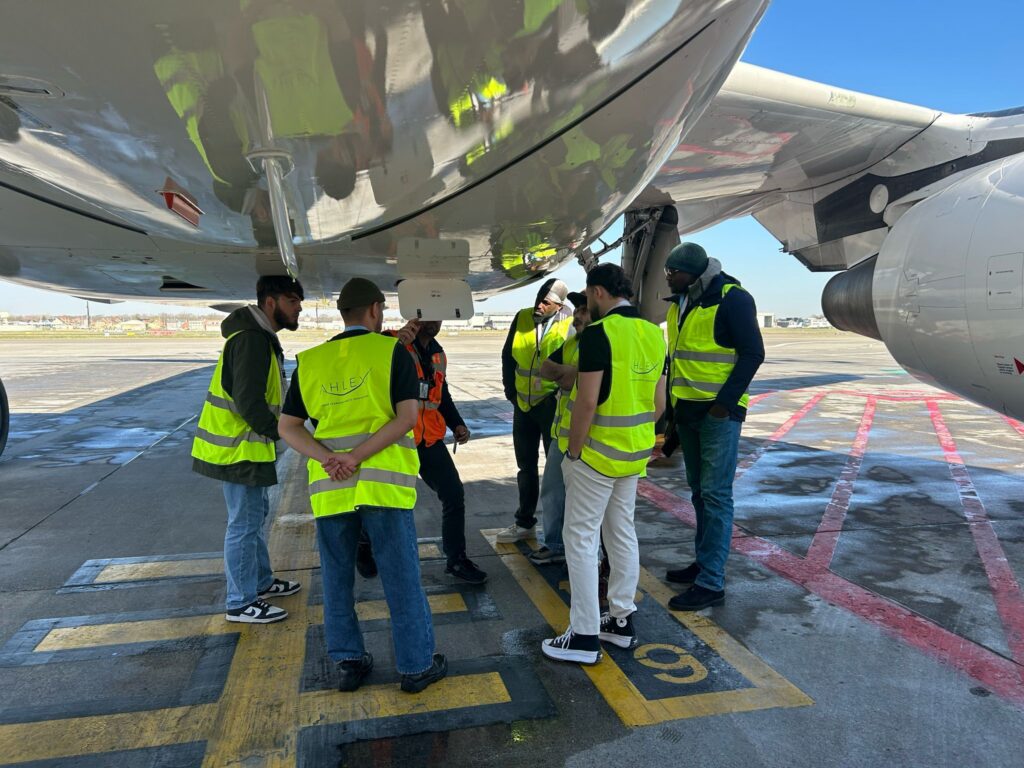
The Basic Aviation Security Training provides participants with the fundamental knowledge and skills required to perform aviation security duties within an airport environment. The training is compliant with EU Regulation 2015/1998, Article 11.2.2, and covers the essential principles, threats, regulations, responsibilities and procedures related to aviation security.
Participants learn how to apply security procedures, remain vigilant, communicate effectively and respond appropriately to security incidents and suspicious situations. The training provides the required foundation for personnel performing security tasks such as screening, access control, patrols and vehicle inspections, as well as for future supervisory and managerial security roles.
Target Audience
This training is intended for personnel performing, supervising or managing aviation security activities covered by sections 11.2.3.1, 11.2.3.4, 11.2.3.5, 11.2.4, 11.2.5 and 11.5 of EU Regulation 2015/1998, including:
- Personnel screening persons, baggage and carried items
- Personnel conducting vehicle inspections and security checks
- Personnel responsible for access control, surveillance and patrols
- Supervisors of personnel implementing security controls
- Security managers and personnel with overall aviation security responsibilities
Objectives
By the end of the training, participants will be able to:
- Explain the fundamental principles and objectives of aviation security
- Recognise current threats to civil aviation and relevant security measures
- Understand the European and national aviation security framework
- Explain key security roles and responsibilities
- Apply relevant aviation security procedures and access controls
- Recognise prohibited articles and suspicious situations
- Apply appropriate reporting and incident response procedures
- Demonstrate vigilance, professional behaviour and effective communication
- Contribute to a secure airport environment
Additional information
The course concludes with an examination; a minimum score of 80% is required.
Compliant with EU Regulation 2015/1998, Article 11.2.2. Based on the Belgian National Civil Aviation Security Training Programme (NCASTP).
 Info
Duration
Language
Previous knowledge required
Info
Duration
Language
Previous knowledge required
€ 1020.00(excl. VAT) – Certificate included View training calendar Request more info
Request custom training